The Silent Emergency: When Living Alone Turns Into a Tragedy of Silence
In today’s fast-paced, digitally connected world, an invisible crisis is unfolding behind closed doors. As of 2024, tens of thousands of individuals have been found dead in their homes after living alone, with a significant portion of these “lonely deaths” occurring among the elderly. However, this isn’t just a concern for seniors; statistics show that younger adults in their 20s and 30s are also being found days, or even weeks, after an unexpected accident or medical event.
The Deadly Window of Time
For those living alone, a simple household accident—like a slip in the bath or a fall from a wheelchair—can quickly turn fatal. The true tragedy often isn’t the accident itself, but the duration of silence that follows.
- Survival Rates: Mortality rates increase dramatically based on how long a person remains helpless. In one study, the mortality rate for elderly individuals incapacitated for more than 72 hours was 67%, compared to just 12% for those found within one hour.
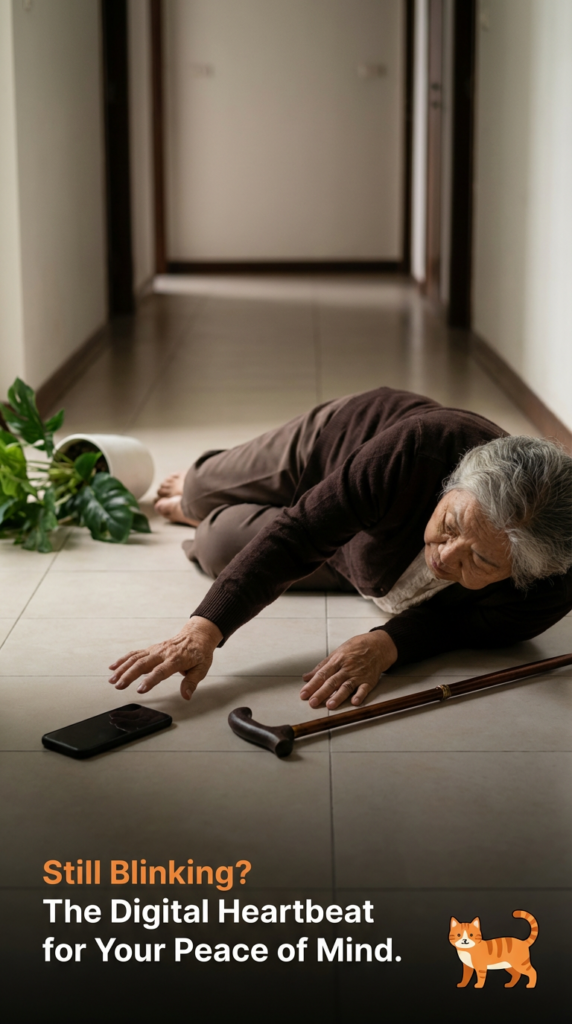
- The Inability to Reach Help: Often, a fall leaves a person just inches away from their phone, yet completely unable to reach it to call for help.
- The Discovery Delay: While nearly 40% of solitary deaths are discovered within 24 hours, approximately 10% of victims are not found for over a month.
Here is a section you can insert into the blog post (perhaps before the “Bystander Effect” section) to highlight the scale of this issue using statistics.
The Rise of Solo Living: A Global Phenomenon
This isn’t just a local issue; it is a global shift in how we live. Across the world, the number of single-person households is skyrocketing, increasing the risk of “lonely deaths” (known as Kodokushi in Japan) simply because there is no one around to notice when silence falls.
- Japan: A frontrunner in this trend, it is estimated that nearly 38% of all households are now single-person households. The phenomenon of Kodokushi (孤独死) has become so prevalent that specialized cleaning companies now exist solely to handle these tragic discoveries. 🔗
- South Korea: The number of people living alone has surged, reaching approximately 34.5% of all households. The rise of Honjok 혼족 (people who prefer doing things alone) combined with an aging population has made this a national priority. 🔗
- United States: The “rugged individual” is becoming the norm. About 29% of American households (nearly 38 million people) are single occupancy. With the “Silver Tsunami” of aging Baby Boomers, this number is expected to climb even higher.
- China: The sheer scale is staggering. Recent data suggests there are over 125 million one-person households. The “empty nester” problem is acute, with millions of elderly parents living alone in rural areas while their children work in cities.
- Taiwan: Similar to its neighbors, Taiwan is seeing a rapid increase, with single-person households approaching 35%. The combination of lower marriage rates and an aging society has created a “super-aged” solo population that is particularly vulnerable to accidents at home.
The Reality: In all these nations, the infrastructure for community care hasn’t kept up with the speed of social change. We are living increasingly independent lives, but we have lost the village that used to watch over us.
The “Bystander” Effect in a Modern Society
We live in an era where neighbors often “keep away,” sometimes out of respect for privacy and other times out of a breakdown in community ties.
- Isolated Vulnerability: Many individuals, particularly the elderly or those with chronic illnesses, refuse to ask for help, leaving them entirely dependent on caring neighbors or acquaintances to notice their absence.
- Digital Disconnect: Even in a world of endless connection, people are becoming more secluded, with social isolation significantly increasing the risk of premature death.
The Aftermath: The Burden on Loved Ones
When a loved one is found days after passing, the psychological impact on the family is devastating.
- Unending Guilt: Survivors often carry a tremendous burden of guilt, shame, and “what ifs,” wondering if they could have prevented the tragedy had they checked in just a day sooner.
- Complicated Grief: Unexpected deaths provoke especially strong psychological responses, leading to higher risks of depression, anxiety, and post-traumatic stress disorder (PTSD).
Restoring the Heartbeat of Connection
No one should be left in silence for days. Preventing these tragedies requires a move away from “clinical surveillance” and toward automatic compassion.
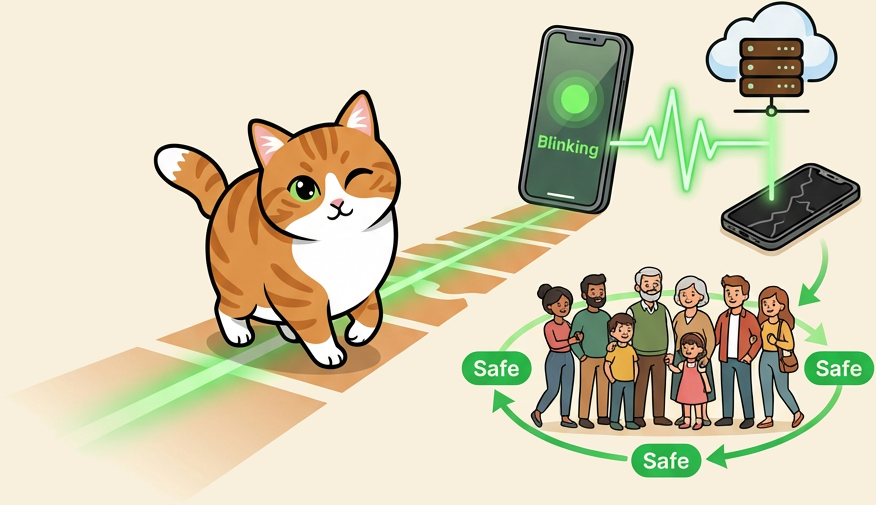
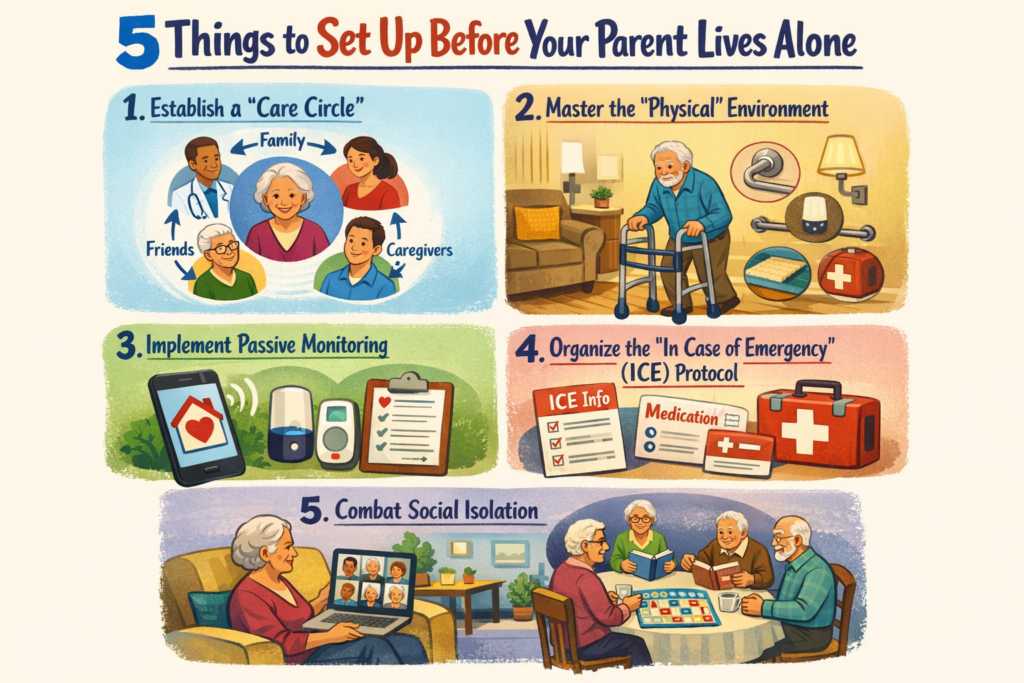
Whether it is through a daily call from a volunteer organization or a silent “digital heartbeat” that alerts family when activity stops, we must ensure that a missed connection is never the only sign that something is wrong. By rebuilding our “Care Circles,” we can ensure that independence doesn’t have to mean being alone in an emergency.